Meet the team
Principal Investigator
Staff
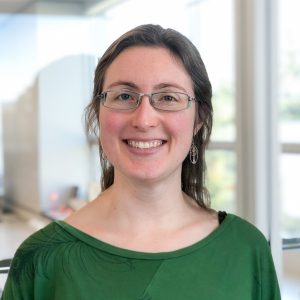
Carla Zimmerman
Lab TechnicianEducation
University of Victoria, Victoria, BC, Canada
Bachelor of Science, Biochemistry and Molecular Biology
Bachelor of Science, Biochemistry and Molecular Biology
Bio
Carla’s roles in the lab are maintaining hPSC cultures, managing inventories, training new personnel, navigating university bureaucracy, and generally keeping the lab running smoothly.
Carla activities outside the lab include choral singing, playing violin, swing dancing, kayaking, drinking coffee, and attempting to keep up with her highly energetic toddler (whether or not there is a correlation between these last two is left as an exercise for the reader).

Education
Max Planck Institute for the Physics of Complex Systems, Dresden, Germany &
University of Geneva, Geneva, Switzerland
Postdoctoral Fellow (w/ F. Jülicher and M. Gonzalez-Gaitan), Biological Physics
University of Geneva, Geneva, Switzerland
Postdoctoral Fellow (w/ F. Jülicher and M. Gonzalez-Gaitan), Biological Physics
Andalusian Center for Developmental Biology (CABD), Sevilla, Spain
Postdoctoral Fellow (w/ F. Casares), Computational Biology
Postdoctoral Fellow (w/ F. Casares), Computational Biology
University of Sevilla, Sevilla, Spain
Doctor of Philosophy (w/ A. Cordoba, M.C. Lemos), Systems Biology
Doctor of Philosophy (w/ A. Cordoba, M.C. Lemos), Systems Biology
International University of Andalusia, Sevilla, Spain
Masters, Bioinformatics and Computational Biology
Masters, Bioinformatics and Computational Biology
University of Sevilla, Sevilla, Spain
Masters, Complex Systems and Nonlinear Phenomena
Masters, Complex Systems and Nonlinear Phenomena
University of Córdoba, Córdoba, Spain
Bachelors Degree, Physics
Bachelors Degree, Physics
Bio
Daniel, as expected from a theoretical physicist, likes wearing ‘Green Lantern’ symbology, discussing depths of ’The Matrix’ and playing board games. Additionally, Daniel is a movie maniac and collector of vinyl records. He plays drums and guitar, and equally loves vegan food, sushi and jamón serrano (no incongruence at all).
Daniel leads the theoretical and computational side of the Z-lab. He’s actively involved in projects from different subfields in the lab, from differentiation patterns in organoid structures to differentiation trajectories in hematopoietic stem cells, where he is emphasizing in the control aspects of these lines. In this direction, Daniel is opening new research lines in the control of growth in functional organoids, and in the detection, quantification, analysis and control of emergent properties, with the latter research line being translationally applied through the different areas composing the Stem Cell Bioengineering lab.
Frank Hsu
Lab TechnicianEducation
Free University of Brussels, Brussels, BelgiumMasters, Molecular Genetics
Bio
I completed my MSc training in Molecular Genetics at the University of Brussels, Belgium. I have been fortunate to work with an enthusiastic group of graduate students and researchers in this lab for over a decade. My responsibilities include overseeing the daily activities of the lab, organizing and controlling all aspects of the lab environment, ordering and keeping track of all equipment and supplies, and maintaining and stocking all hESC lines. I also provide training and technical support for new lab members.
Currently I’m involved in an endoderm differentiation project. My main focus is on optimizing differentiation conditions to generate large amounts of pancreatic progenitors.
My goal is to try my best to assist others in the lab.
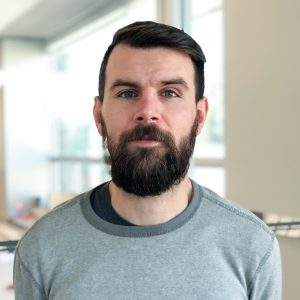
John Edgar
Ph.D. Research AssociateEducation
University of Toronto, Toronto, ON, Canada
Masters, Biomedical Engineering
Masters, Biomedical Engineering
University of Victoria, Victoria, BC, Canada
Bachelor of Engineering, Biomedical Engineering
Bachelor of Engineering, Biomedical Engineering
Bio
I enjoy cooking food, fermenting food, and eating food. In a former life I worked in fabrication and I enjoy designing and building things that are of practical use (that’s why I’m an engineer). My dream job is to travel the pacific northwest coast in a tug boat searching for logs that fall off barges (ie. The Beachcombers).
Education
Massachusetts Institute of Technology, Boston, MA
Doctor of Philosophy, Biological Engineering
Doctor of Philosophy, Biological Engineering
University of Washington, Seattle, ON
Bachelor of Science, Bioengineering
Bachelor of Science, Bioengineering
Bio
Ross completed his PhD under Ron Weiss and Domitilla Del Vecchio at MIT, where he developed genetic control systems to make synthetic gene circuits operate robustly regardless of the messy cellular context inside mammalian cells.
As a control freak, Ross is working in the Zandstra Lab to build genetic controllers to control cell fate decisions and ultimately control the behavior of cell therapies.
Outside of the lab, you can probably find Ross playing sports, reading/watching sci-fi, or trying out a new board game.

Education
The University of British Columbia, Vancouver, BC, Canada
PhD, Computer Science (Bioinformatics)
PhD, Computer Science (Bioinformatics)
The University of British Columbia, Vancouver, BC, Canada
MSc, Computer Science (Bioinformatics)
MSc, Computer Science (Bioinformatics)
The University of Belgrade, Belgrade, Serbia
BSc, Mathematics and Computer Science
BSc, Mathematics and Computer Science
Bio
Sanja is an experienced laboratory and project manager with expertise in bioinformatics research, multidisciplinary collaboration, and digital infrastructure management.
In the Zandstra Lab, she manages computational and data infrastructure, coordinates projects and research operations, and supports the adoption and use of AI tools across the lab. She also contributes to administrative, financial, and human resources activities.
Outside the lab, Sanja enjoys spending time with her kids, walking her dog Pippin while listening to true-crime podcasts, cooking and baking, caring for her garden, and planning her next travel adventure.
Postdoctoral Fellows

Ajinkya Ghagre
Ph.D.Education
McGill University, Montreal, QC, Canada
PhD, Biological and Biomedical Engineering
PhD, Biological and Biomedical Engineering
D.Y. Patil University, India
Master of Technology, Biotechnology
Master of Technology, Biotechnology
Bio
Ajinkya completed his PhD under Prof. Allen Ehrlicher in the Department of Bioengineering at McGill University. During his doctoral studies, he developed PaCS (Pattern-based Contractility Screening) technology to measure mechanical forces applied by mammalian cells. Using PaCS, he unveiled the specific role of mechanical forces in manipulating nuclear shape and influencing cell fate decisions.
In Zandstra’s lab, Ajinkya is investigating the role of mechanical forces in controlling stem cell fate, with the ultimate goal of directing cell behavior through mechanical cues.
Outside the lab, you’ll often find Ajinkya playing video games, watching anime/web series, or exploring various bars and restaurants

Education
The University of British Columbia, Vancouver, BC
Doctor of Philosophy, Bioinformatics
Doctor of Philosophy, Bioinformatics
University College London, London, UK
Master of Science, Business Analytics (Computer Science Track)
Master of Science, Business Analytics (Computer Science Track)
Shanghai University of Finance and Economics, Shanghai, China
Bachelor of Management, Information Management and Information System
Bachelor of Management, Information Management and Information System
Bio
Chenkai completed his PhD with Dr. Inanc Birol at the University of British Columbia, where he built machine learning based bioinformatics tools for high-throughput discovery and design of antimicrobial peptides targeting multidrug-resistant bacteria.
In the Zandstra Lab, he is developing advanced AI methodologies to study immune system dynamics, with the goal of identifying novel therapeutic strategies.
Outside the lab, Chenkai enjoys classical music and plays the piano in his spare time.

Education
The University of Britih Columbia, Vancouver, BC, Canada
Doctor of Philosophy, Bioengineering and Biomedical Engineering
Doctor of Philosophy, Bioengineering and Biomedical Engineering
University of Waterloo, Waterloo, ON, Canada
Bachelor of Science, Applied Health Sciences
Bachelor of Science, Applied Health Sciences
Bio
Nico develops next-generation human vascularized organoid systems for disease modelling and therapeutic discovery. His work intersects stem cell engineering, computational modelling, and high-throughput drug screening to identify disease mechanisms and evaluate targeted treatments. By integrating human vascularized organoids with advanced imaging and computational workflows, his research aims to build clinically relevant platforms for translational discovery and precision medicine.
In addition to all things entrepreneurial biotech that Nico is interested in, he enjoys mountaineering, freediving, and spearfishing… plus many other exciting hobbies!

Education
Harvard University, Cambridge, MA
Doctor of Philosophy, Engineering Sciences: Bioengineering
Doctor of Philosophy, Engineering Sciences: Bioengineering
UC Berkeley, Berkeley, CA
Bachelor of Science, Bioengineering (Materials Science)
Bachelor of Science, Bioengineering (Materials Science)
Bio
Nikko completed his PhD with Dave Mooney at Harvard and the Wyss Institute, where he engineered semi-synthetic extracellular matrices and computational models to probe and understand human T-cell development ‘in a dish’.
Building upon his obsession with molecular biophysics, blood stem cell engineering, and immunology, Nikko is working in the Zandstra Lab to use synthetic biology tools to understand T-cell leukemogenesis and the systems pharmacology of bispecific T-cell engagers.
If you don’t find Nikko in the lab, he is probably sprawled out somewhere in the mountains, the forest, or by the water. He might also be at the skatepark, or writing poetry and playing guitar.

Education
Sharif University of Technology, Tehran, Iran
Masters, Biophysics
Masters, Biophysics
Sharif University of Technology, Tehran, Iran
Bachelor of Science, Theoretical Physics
Bachelor of Science, Theoretical Physics
Bio
Tiam Heydari is a Ph.D. student in the school of biomedical engineering. Tiam obtained his undergraduate and masters degree from Sharif University of Technology (SUT) in theoretical physics where he worked on developing the Virtual Cell Model as his thesis.
In Zandstra lab he is focusing on studying collective behavior and emergence in multicellular systems by employing tools from non-equilibrium statistical physics, systems biology, and bioinformatics.

Education
Nanjing University, Nanjing, China
PhD in Pharmaceutical Sciences
PhD in Pharmaceutical Sciences
China Pharmaceutical University, Nanjing, China
MSc in Pharmaceutical Sciences
MSc in Pharmaceutical Sciences
Bio
Waqas completed his PhD at the Medical School of Nanjing University under the supervision of Professor Zhiwei Wu. During his doctoral work, he developed an off-the-shelf CAR-T-cell platform for the treatment of leukaemia using humanized mice model. His work involved engineering AAV to deliver CAR constructs and transduce effector cells in vivo, enabling the generation of CAR-T cells directly within the body. After completing his PhD, Waqas joined BC Cancer and worked in Leandro Ventrutti’s lab, where he investigated how signalling pathways drive and shape the lymphoma tumour microenvironment.
In the Zandstra Laboratory, he is working on the in vivo evaluation of engineered thymic cryogels, including their biocompatibility, capacity to recruit hematopoietic progenitors, and ability to support de novo T-cell development and thymic rejuvenation.
Outside the laboratory, Waqas enjoys hiking, long drives, watching documentaries and series.
Students

Education
Dalhousie University, Halifax, NS, Canada
Master of Science, Microbiology and Immunology
Master of Science, Microbiology and Immunology
Dalhousie University, Halifax, NS, Canada
Bachelor of Science, Microbiology and Immunology
Bachelor of Science, Microbiology and Immunology
Bio
Once upon a time, Beth lived in a distant eastern land, Halifornia. There her first love was viruses, an evasive love, but infectious nonetheless. Alas, as life goes, she continued her journey west and a new love stemmed. While this new romance felt cell-fish, Beth dove right in to exploring the early stages of development of blood and immune cells.
Now, she is trying to understand how the spatial context of developing cells can tune what type of cell they become. It’s bloody exciting.
In her new life in BC, Beth likes to run, cook, go up and then back down mountains (through a variety of methods) and make lots of bad puns.

Catherine Ko
Education
University of Calgary, Calgary, AB, CanadaBachelor of Science, Biomedical Engineering
Bio
Catherine is working on developing a smart bioprocess control system for real-time monitoring of hiPSC differentiation into hematopoietic stem and progenitor cells. Drawing on her background in scale-up and bioreactor engineering, her work integrates real-time process monitoring with computational modelling to better understand and control the differentiation process, ultimately aiming to improve reproducibility and scalability in cell manufacturing.
Catherine grew up in Alberta and has happily traded the mountains for Vancouver’s beaches (rain or shine but mostly rain). She travels every chance she gets, as she believe the best way to understand a city is to walk until your feet hurt, following her stomach to the best local food, and photographing everything along the way (her camera roll has zero interest in reproducibility).
Education
University of Toronto, Toronto, ON, Canada
Masters, Immunology
Masters, Immunology
University of Toronto, Toronto, ON, Canada
Bachelors of Science, Immunology
Bachelors of Science, Immunology
Bio
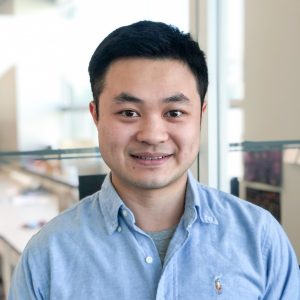
Cellular engineering is a crucial area in developing personalized medicine. Synthetic biology takes advantage of advancements in DNA synthesis, molecular and computational biology to design and engineer customized synthetic signaling pathways that allows for “smart” forward programming of the cell based on their transcriptomic state.
Charles focuses on using synthetic biology to influence cell development and cell fate of pluripotent stem cells with the goal of generating specific cell types for regenerative immunotherapy.
Always down for a drink. If you want to get me drunk, one drink is all it takes. Interesting include archery, guitar, video games and distracting people from their work.

Education
University of Toronto, Toronto, ON, Canada
Bachelor of Science, Biological Physics and Neuroscience
Bachelor of Science, Biological Physics and Neuroscience
Bio
Cell fate is shaped by changing interactions between cellular signaling, gene regulation, and chromatin state. Darian’s research will focus on developing synthetic biology tools that can sense cellular states and guide pluripotent stem cells toward desired fates. To make this possible, he will engineer gene circuits that can interpret changing developmental signals while remaining functional as cells differentiate. These tools could enable more reliable production of specialized cells for regenerative medicine and engineered cell therapies.
This is Darian’s first time living on the West Coast, and he is really enjoying the climate. He is impatiently awaiting the next book in The Stormlight Archive, but until then will pass the time rewatching Star Wars, playing video games, and enjoying nature.

Education
University of Toronto, Toronto, ON, CanadaBachelor of Applied Science, Engineering Science (Biomedical Engineering Major, Robotics Minor)
Bio
Differentiating cells face numerous lineage-fate decisions throughout their development. Divy is utilizing computational approaches to investigate the regulatory state that controls the bifurcation of iPSC-derived T cells towards the naive cytotoxic and helper T cell fates. Variations between the regulatory states of iPSC-derived T cells and naturally developing T cells may elucidate perturbable variables for robustly controlling cell fate in vitro.
Outside the grind, Divy enjoys playing chess (he sucks), eating food (a lot), and watching movies (he excels).

Education
University of California, San Diego, CA, USA
Masters, Biomedical Sciences
Masters, Biomedical Sciences
University of California, San Diego, CA, USA
Bachelor of Science, Molecular Biology
Bachelor of Science, Molecular Biology
Bio
Jiyoung did her Master’s at the University of California, San Diego where she studied induced pluripotent stem cell (iPSC) differentiation into Natural Killer cells in Dan Kaufman’s lab. She loved engineering immune cells to combat different types of cancer and decided to continue her study in immune cell engineering in the Zandstra lab.
Jiyoung played for UCSD Women’s lacrosse team as well as the Korea National Lacrosse Team. She loves the west coast vibe and the fantastic ocean view ( from both San Diego and Vancouver).
Education
University of Toronto, Toronto, ON, CanadaBachelor of science, Molecular Genetics and Physiology
Bio
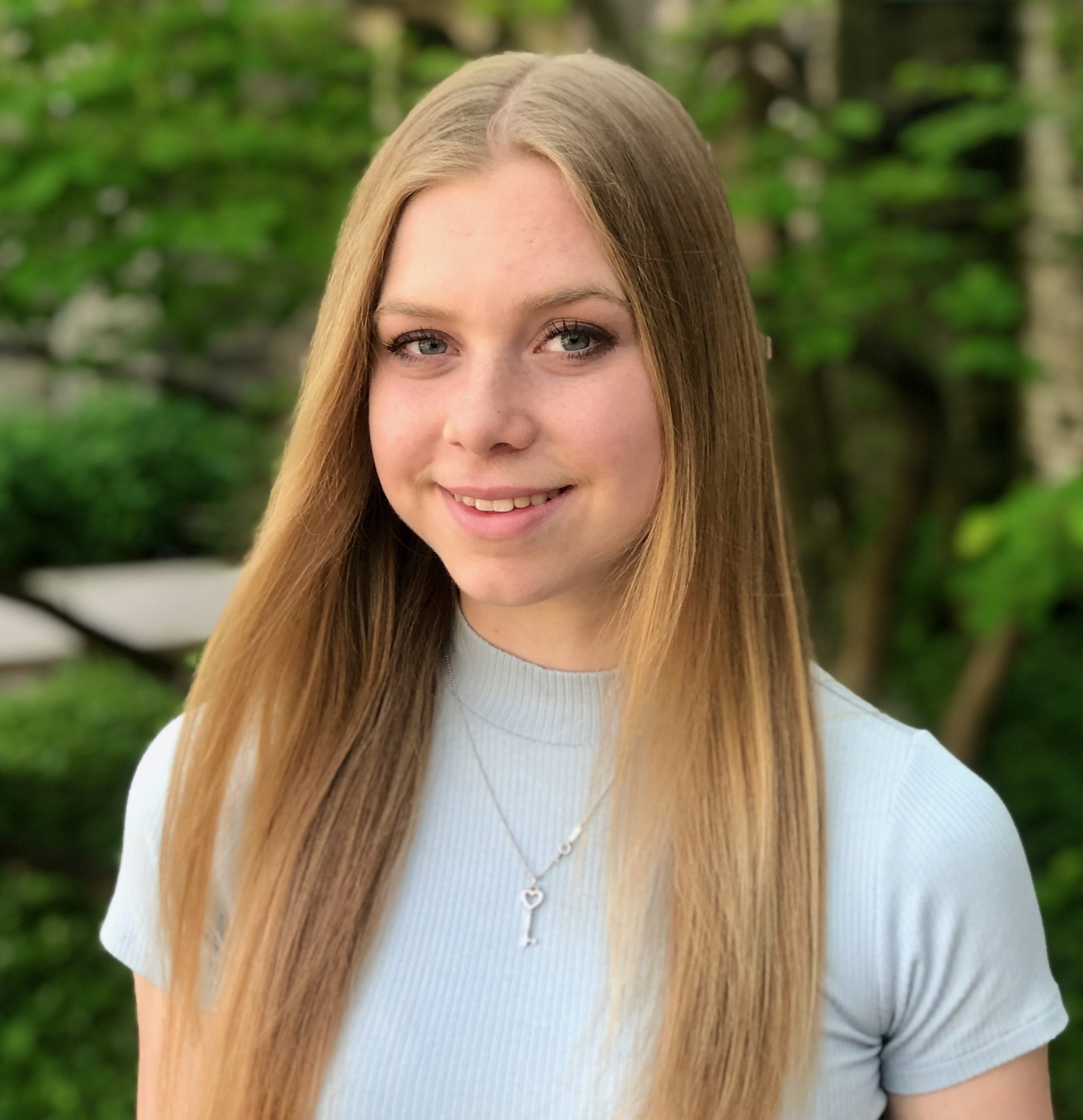
CAR-T cell therapy has revolutionized cancer treatment. While this approach has achieved remarkable success in blood cancers, the efficacy is relatively limited in solid tumors. Lauren is developing a T-cell compatible tumor-on-a-chip model to understand the reasons for CAR-T cell dysfunction in the solid tumor microenvironment. These insights will be used to inform design strategies for CAR-T cells with improved function in solid tumors.
When she’s not in the lab, Lauren loves to run, ski, and explore new places around Vancouver.

Education
Tecnológico de Monterrey, Monterrey, MexicoBachelor of science, Biotechnology Engineering/Biotechnology
Bio
I am a driven and well-rounded researcher with a B.Eng. in Biotechnology Engineering, currently in my fifth year of a Ph.D. in Biomedical Engineering. My research focuses on the lymphoid-myeloid restriction mechanism, crucial for advancing our understanding of aging and leukemogenesis. Additionally, I am characterizing hematopoiesis and T-cell reconstitution in DRAGA and DRAGA-derived mouse strains.
I am passionate about science communication and actively participate in several outreach groups, teaching people about stem cell biology and various biology topics and sharing my research experiences.
Outside of research, I enjoy reading, crafting, and astronomy. In the future, I aspire to make significant contributions to the fields of aging and stem cell biology.

Marina Bockaj
Education
Bio
Marina completed her bachelor’s degree at McMaster University while concurrently focusing on medical device research in the Department of Engineering Physics and Degroote School of Medicine.
In the Zandstra Lab, she will be developing mechanical platforms implemented chemically that will be used to provide a controllable cellular environment of human embryonic gastroloids. This will allow a robust and quantifiable 3D model to study the underlying mechanisms of symmetry breaking during gastrulation.

Education
Hong Kong University of Science and Technology, Hong KongBachelor of Science, Major in Biochemistry & Cell Biology, Minor in Bioengineering
Bio
Mona is a Ph.D. student in the Department of Medical Genetics. She did her undergrad in the Hong Kong University of Science and Technology where she studied molecular regulation of muscle stem cell quiescent.
In the Zandstra lab, Mona aims to develop and apply tools in synthetic biology to better understand early blood development in human.
Outside of the lab, you may find Mona exploring the ocean, admiring paintings in art museums, or trying out new restaurants in Vancouver.

Education
University of British Columbia, Vancouver, BC, CanadaBachelor of Applied Science, Bioengineering and Biomedical Engineering, Minor in Commerce
Bio
If you had the chance to change your fate, wouldja?” — Brave (2012)
As individuals age, hematopoietic stem cells increasingly favor myeloid over lymphoid differentiation, depleting T cells and weakening the immune system. This leads to poorer vaccine responses, higher autoimmunity risk, and reduced immune defenses. Taia is interested in whether this shift can be reversed by testing blood stem cell culture conditions, small molecules, and cytokine combinations to restore T cell output. Her long-term goal is to develop autologous cell therapies to reconstitute immune function in aging or immunodeficient patients.
Outside of the lab, Taia loves to educate others about biomedical engineering through workshops, activities, and lectures. Additionally, she loves to run around, try new restaurants, and take on random side projects. 🙂

Education
University of Calgary, Calgary, AB, CanadaBachelor of Science, Chemical Engineering (Biomedical Engineering Specialization)
Bio
T cell therapies have shown tremendous clinical efficacy against deadly diseases such as cancer. However, expensive production processes hamper the widespread application of this approach. Pluripotent stem cells can self-renew and become T cells. Thristan aims to harness the unlimited potential of pluripotent stem cells to produce off-the-shelf cellular therapeutics. Using cell and process engineering tools, Thristan hopes to develop a robust, scalable, and cost-effective bioprocess that guides pluripotent stem cells to become T cells.
Outside the lab, Thristan enjoys trying out food from around the world, kickboxing, binge-watching shows on Netflix, listening to audiobooks, and hiking.